
Group Travel
eSIM for travel agencies and group trips
For agencies leading groups of travelers, eSIM means fewer questions on the ground and happier travelers.
01/09/20267 min read
ReadGoConnect blog
Practical articles about eSIM: how to activate it, which plan fits which destination and how to avoid expensive roaming.
For agencies leading groups of travelers, eSIM means fewer questions on the ground and happier travelers.

For companies sending employees abroad, eSIM means less admin work and a clearer view of expenses.
A few seconds checking the dashboard can save the rest of your trip from going offline.
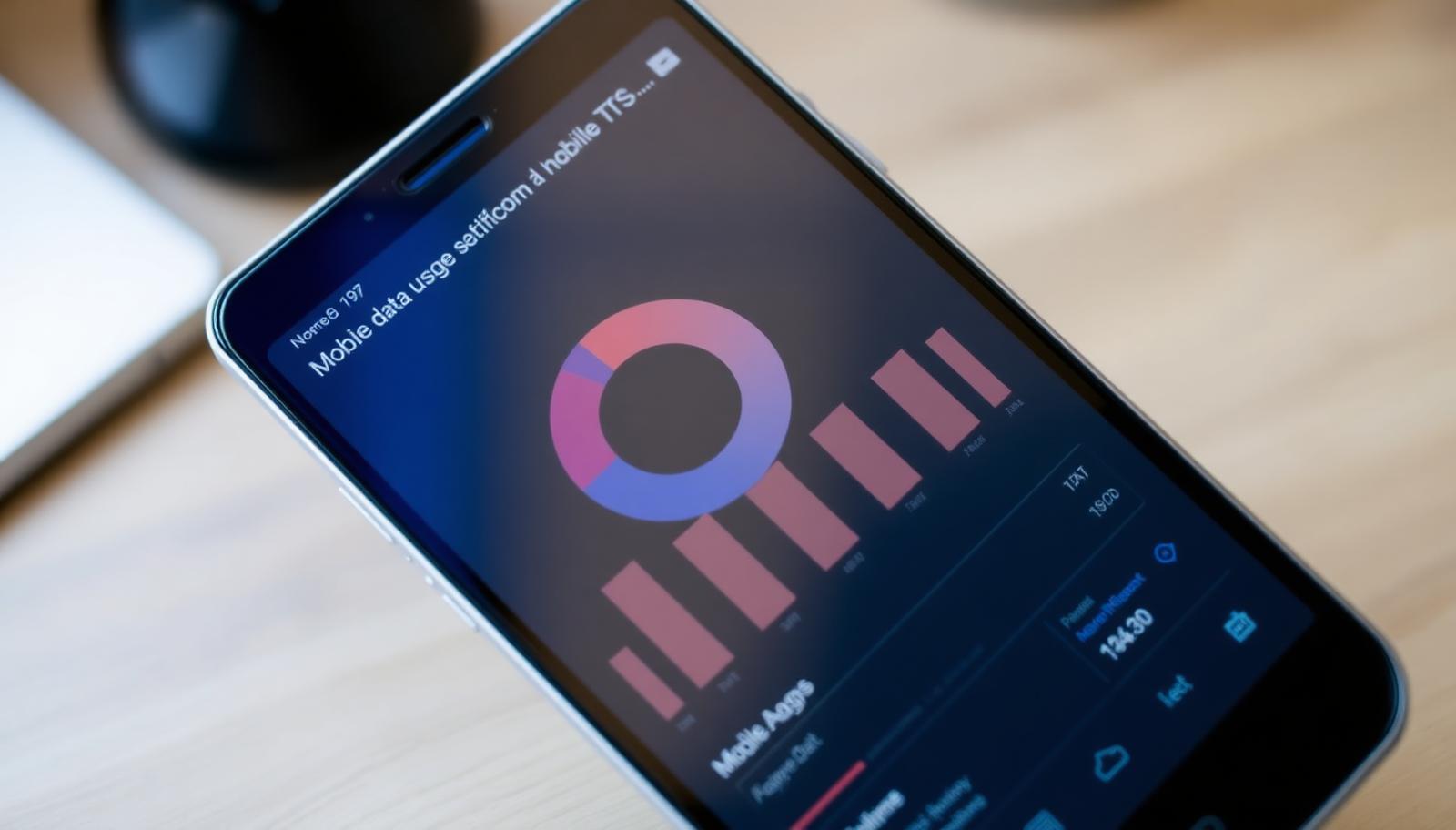
An unlimited plan sounds like the safest choice, but it isn't always the most cost-effective one.
A few minutes of checking before the airport can save your whole trip from unnecessary stress.
Free WiFi sounds convenient, but it carries risks few travelers think about until something goes wrong.
Ten simple tricks that can stretch your eSIM plan by several extra days of travel.
Before buying an eSIM plan, it helps to know which apps eat the most data on the road.

Belgrade, Budva, Skopje — travelling the region is simpler when your data works at every border without interruption.

When your trip covers five countries in two weeks, one regional eSIM is smarter than buying five separate plans.
Why roaming from Bosnia in Europe can surprise you on the bill, and how to simply avoid it in advance.
Rome, Milan or Venice — an Italian city break feels more relaxed when you're not worrying about a roaming bill.
A Vienna weekend, skiing in the Alps, or just passing through Slovenia — an eSIM keeps navigation running the whole way.
From Dubrovnik to Rovinj, a summer on the Adriatic is better without worrying about a roaming bill for mobile data.
From business meetings in Frankfurt to visiting family in Stuttgart, an eSIM keeps your data on the whole time.

From shopping in Istanbul to lounging on the beach in Antalya, an eSIM saves you airport queues and a surprise roaming bill.
When leading a group of twenty or more travellers, good internet preparation makes communication easier throughout the trip.

Business travellers and tourists increasingly visit several Gulf countries within the same week – here's how that looks with an eSIM.
Dubai and the rest of the UAE have specific rules around internet calls – here's what travellers should know before their trip.

A few small but useful items that make staying connected during Hajj much easier.
Saudi Arabia isn't part of the European roaming zones, so home plans there often run on separate, pricier terms.
In a crowd of hundreds of thousands it's easy to lose your group in an instant – here's how to prepare in advance.
A few steps best done calmly at home before you set off for Umrah.
Before heading to Hajj everyone wonders how many GB to get. Here is a realistic estimate based on typical use over ten to fifteen days.
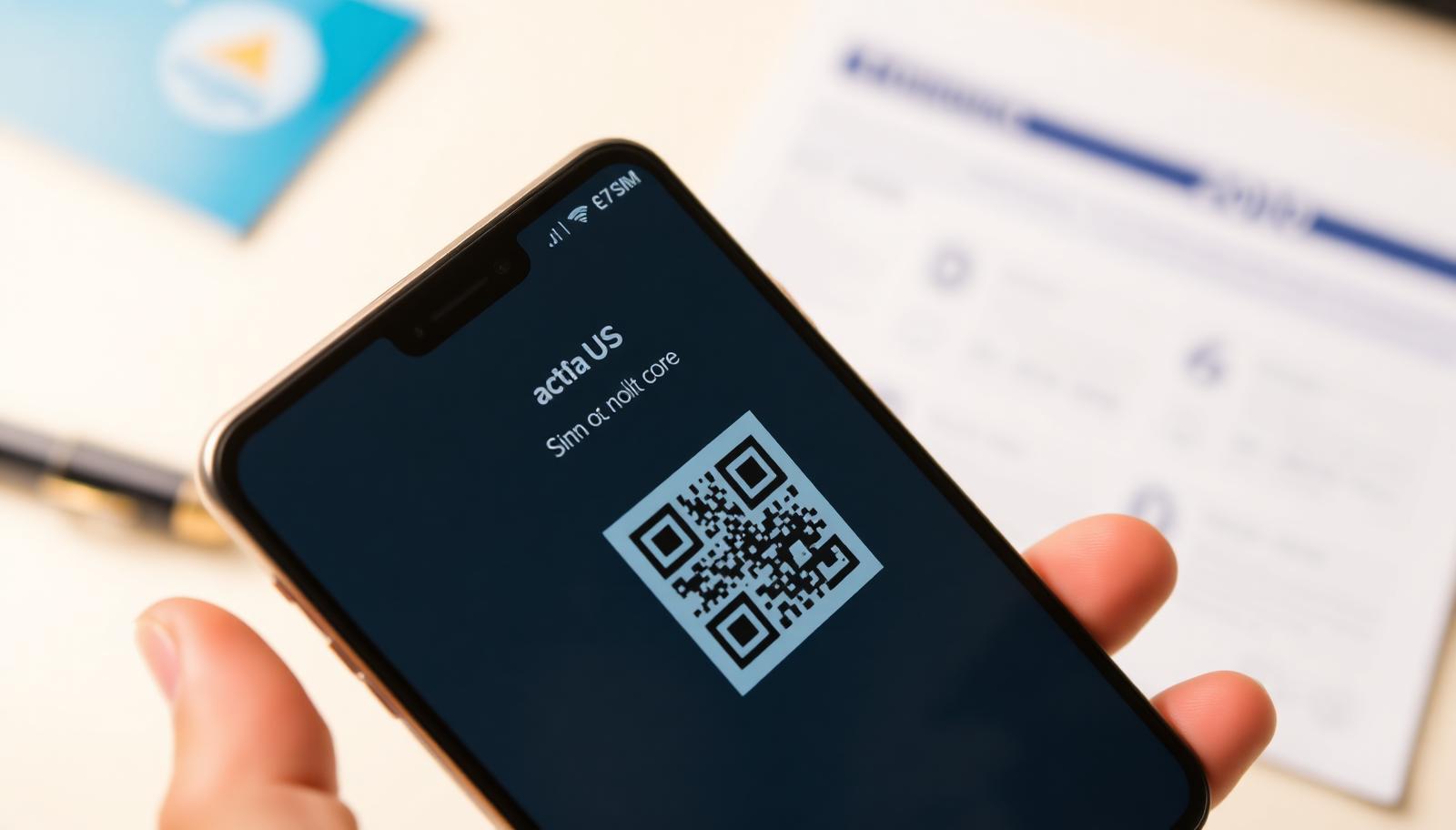
Unlike a physical SIM card, an eSIM can't simply be pulled out and put into a new phone. Here's what you actually need to do.
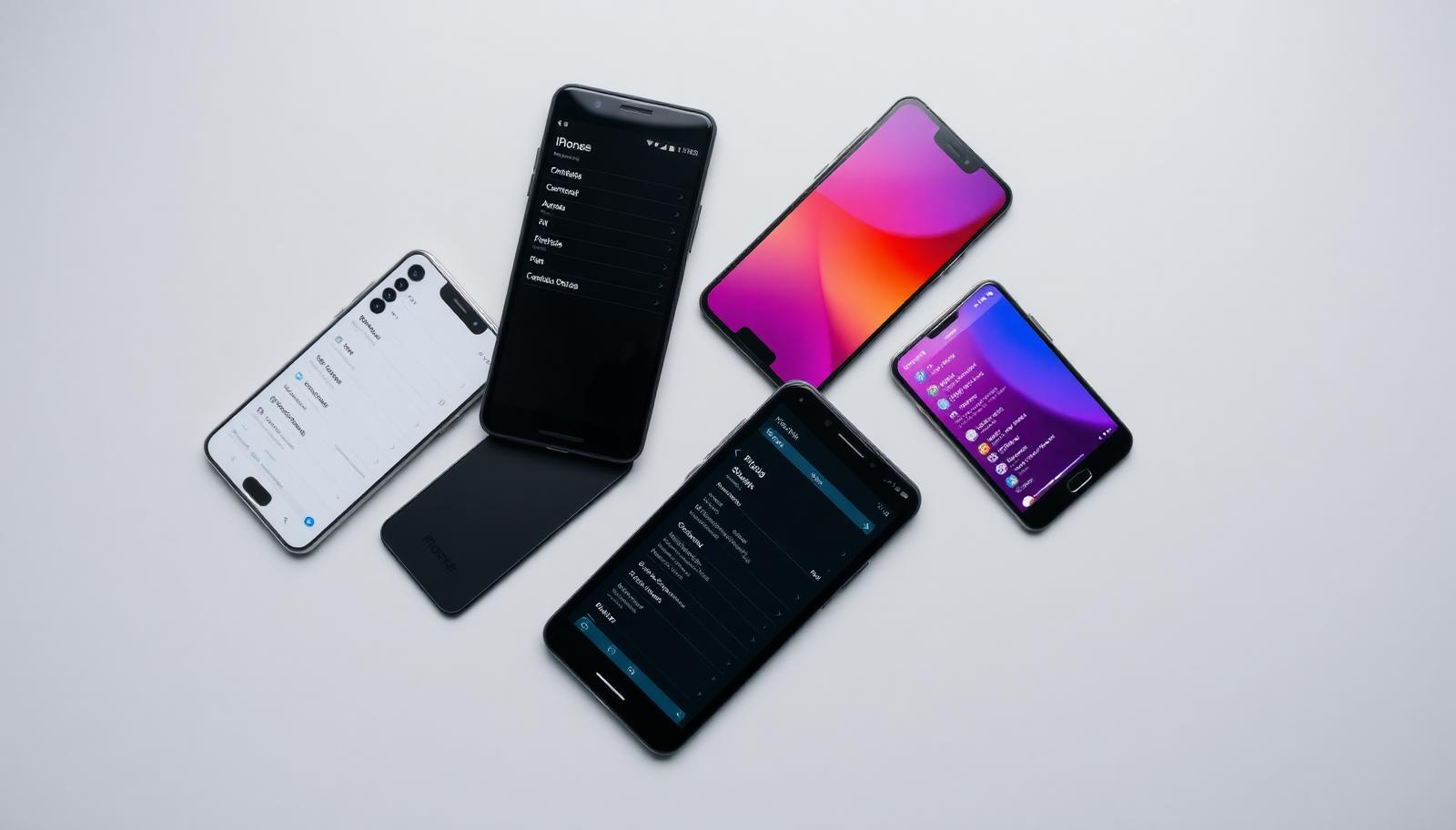
eSIM isn't reserved for phones only. Here's what other devices can use mobile data through eSIM.
You don't have to choose between your home number and internet abroad – modern phones let you have both at once.
If your phone physically supports eSIM but you still can't add a profile, the reason is likely a carrier lock.
The eSIM installation process is fairly similar across Android brands, with a few differences in menu names.
iPhone has one of the simplest eSIM setups. Here's how to install the profile and configure data correctly for your trip.
One short code on your phone tells you instantly whether you can use eSIM. Here's how it works, step by step.
Before buying an eSIM plan, check whether your phone actually supports eSIM. Here is an overview by brand.
GoConnect eSIM plans are focused on internet. Here's what that means for calls, SMS and your home number while travelling.
What to do if you deleted your eSIM profile, are switching phones, or lost the email with your QR code.
Ran out of GB on your trip? Here's how to quickly add more data without reinstalling your eSIM.
An honest comparison of eSIM and physical SIM cards, without exaggeration, to help you decide what suits your next trip.
A short, clear explanation of eSIM technology, without technical jargon, for anyone using it for the first time.
The most common reason an eSIM doesn't work is roaming being off. Here's why that's normal and how to turn it on.
Ten of the most common reasons an eSIM has no internet, and how to fix each one in a couple of minutes.
The full eSIM activation process, from purchase to your first connection abroad, explained in simple steps.